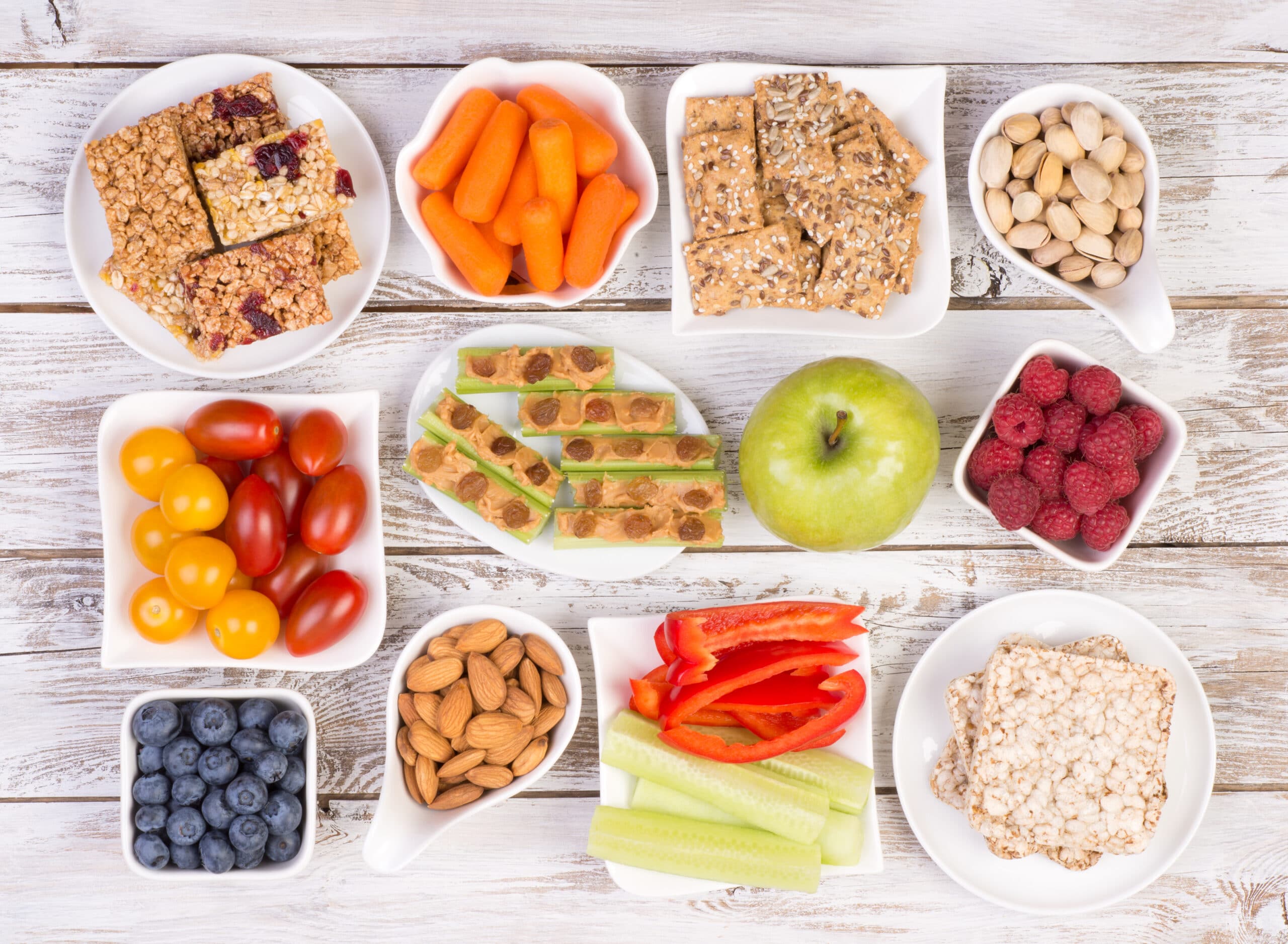
For many people, snacks have a bad reputation. They are often associated with potato chips, sugary cookies, candy bars, and other processed foods that provide a quick burst of energy followed by an equally quick crash. As a result, some people believe that healthy eating means avoiding snacks altogether.
The truth is much more balanced.
Snacking itself is not unhealthy. In fact, the right snacks can play an important role in maintaining energy levels, controlling hunger, supporting nutrition goals, and preventing overeating during main meals. The problem is not the act of snacking. The problem is often the type of snacks people choose and the reasons they eat them.
Think about a typical busy day. Breakfast may happen early in the morning, lunch several hours later, and dinner not until the evening. During these long gaps, hunger naturally begins to build. Without a healthy snack, many people become extremely hungry by mealtime and end up eating more than they need.
Healthy snacks can act as a bridge between meals. They provide the body with steady energy and help maintain focus throughout the day.
The best snacks are not necessarily the most expensive or the trendiest. They are usually simple foods that combine nutrients such as protein, fiber, healthy fats, and complex carbohydrates. These nutrients digest more slowly, helping people feel satisfied longer.
Understanding how to snack wisely can transform snacks from empty calories into valuable tools for better health and daily energy.
Why Some Snacks Keep You Full While Others Leave You Hungry
Have you ever eaten a packet of cookies or a bag of chips only to feel hungry again an hour later? This happens because not all foods affect hunger in the same way.
Many processed snack foods are high in refined carbohydrates, added sugars, and unhealthy fats. While they may taste good, they often provide quick energy without lasting satisfaction.
Imagine lighting a small piece of paper versus a thick log in a fireplace. The paper burns quickly and disappears almost immediately. The log burns steadily for a much longer time. The same principle applies to food.
Sugary snacks act like the paper. They provide a rapid burst of energy but are quickly used by the body. Foods rich in protein, fiber, and healthy fats act more like the log, releasing energy gradually and helping control hunger.
Protein is one of the most filling nutrients. Foods such as yogurt, eggs, nuts, seeds, cottage cheese, and legumes help people feel satisfied longer because they digest more slowly.
Fiber is equally important. Fruits, vegetables, whole grains, beans, and seeds contain fiber that adds bulk to food and supports digestion. Fiber-rich snacks often help reduce hunger between meals.
Healthy fats also contribute to satisfaction. Foods such as almonds, walnuts, avocados, peanuts, and seeds provide fats that slow digestion and support sustained energy.
Hydration plays a role as well. Sometimes people mistake thirst for hunger. A glass of water alongside a snack can help improve overall satisfaction and prevent unnecessary overeating.
Another factor is portion size. Healthy snacks should reduce hunger, not replace meals entirely. The goal is to provide enough nourishment to maintain energy without creating excessive calorie intake.
Timing matters too. Waiting until extreme hunger develops often leads to impulsive food choices. Having a planned healthy snack available can make it easier to avoid less nutritious options.
Understanding these basic principles helps explain why certain snacks support long-lasting energy while others leave people searching for more food shortly afterward.
Simple Healthy Snack Ideas for Home, Work, and School
One of the biggest challenges people face is convenience. When hunger strikes, they often reach for whatever food is easiest to access.
This is why keeping healthy snacks available is so important.
Fresh fruit remains one of the simplest and most effective snack options. Apples, bananas, oranges, pears, grapes, and berries provide natural sweetness along with vitamins, minerals, and fiber.
Pairing fruit with a source of protein often creates an even more satisfying snack. An apple with peanut butter, a banana with a handful of nuts, or berries with yogurt can provide balanced nutrition and longer-lasting energy.
Greek yogurt has become particularly popular because it contains protein while remaining versatile and easy to prepare. It can be enjoyed with fruit, seeds, nuts, or a small amount of honey.
Nuts are another excellent snack choice. Almonds, walnuts, pistachios, and cashews provide healthy fats, protein, and important nutrients. A small handful can help control hunger and provide sustained energy during busy days.
Seeds such as pumpkin seeds, sunflower seeds, and chia seeds offer similar benefits. Many people add them to yogurt, oatmeal, or homemade snack mixes.
Hard-boiled eggs remain one of the most affordable and nutrient-dense snacks available. Rich in protein and easy to prepare in advance, they are ideal for busy individuals and families.
Vegetables can also become satisfying snacks when paired with healthy dips. Carrot sticks, cucumber slices, bell peppers, and celery can be enjoyed with hummus, yogurt-based dips, or guacamole.
Whole-grain crackers combined with cheese provide a balanced mix of carbohydrates and protein. This combination often works well as a mid-afternoon snack when energy levels begin to decline.
For people who enjoy preparing food at home, homemade energy bites made with oats, nuts, seeds, and dried fruits can be convenient alternatives to heavily processed snack bars.
Roasted chickpeas have become increasingly popular as well. They provide protein, fiber, and a satisfying crunch without relying on highly processed ingredients.
Smoothies can also function as nutritious snacks when prepared thoughtfully. A smoothie containing fruit, yogurt, milk, and perhaps some seeds can provide a wide range of nutrients while being easy to consume on busy days.
Children often enjoy many of these options when presented creatively. Fruit slices, yogurt parfaits, homemade trail mixes, and vegetable sticks with dips can become appealing alternatives to packaged snacks.
The key is preparation. Healthy snacks are much easier to choose when they are already available and ready to eat.
Building Better Snacking Habits for Long-Term Health
Healthy snacking is about more than choosing nutritious foods. It also involves developing mindful habits that support overall well-being.
One useful habit is learning to recognize the difference between physical hunger and emotional eating.
Sometimes people snack because they are genuinely hungry. Other times they eat because they are bored, stressed, tired, or simply following a routine.
Imagine someone sitting at a desk during a stressful afternoon. They may automatically reach for snacks even though their body does not actually need food. In these situations, a short walk, a glass of water, or a brief break may address the underlying need more effectively.
Mindful eating can also improve the snacking experience.
Many people snack while watching television, scrolling through social media, or working on a computer. As a result, they may consume food without fully noticing it.
Taking a few moments to enjoy a snack without distractions often increases satisfaction and helps people recognize when they have eaten enough.
Planning ahead remains one of the most powerful strategies for healthy snacking.
Busy schedules make it easy to rely on vending machines, convenience stores, or fast-food options. Packing snacks in advance creates more control over food choices.
Parents can benefit from this habit as well. Keeping healthy snacks available for children often reduces dependence on highly processed convenience foods.
Variety is important. Eating the same snack every day can become boring over time. Rotating fruits, vegetables, nuts, dairy products, and whole-grain options helps maintain interest while providing a wider range of nutrients.
Balance matters too. No one needs to eliminate favorite treats completely. Healthy eating is not about perfection. It is about making nutritious choices most of the time while allowing flexibility and enjoyment.
Portion awareness also plays a role. Even healthy foods can be consumed in excessive amounts if people eat mindlessly. Serving snacks in reasonable portions often helps maintain balance.
Over time, healthy snacking becomes easier and more natural. The body begins to respond positively to foods that provide steady energy rather than quick sugar spikes and crashes.
Healthy snacks can be powerful tools for supporting energy, managing hunger, and improving overall nutrition. By focusing on foods rich in protein, fiber, healthy fats, and essential nutrients, people can stay satisfied between meals and avoid the energy fluctuations often associated with highly processed snacks. Simple choices such as fruit, yogurt, nuts, vegetables, eggs, and whole grains provide lasting nourishment while fitting easily into busy lifestyles. With a little planning and mindful decision-making, healthy snacking can become an enjoyable and sustainable part of a balanced approach to wellness.