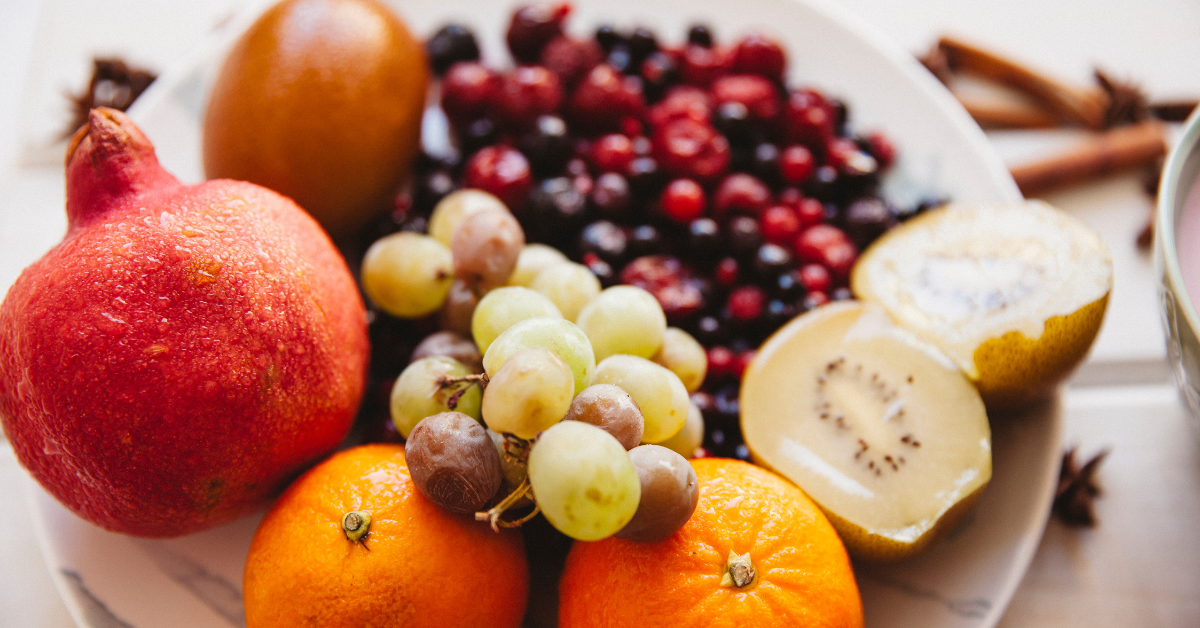
Walk through a local market during mango season, and you will immediately notice something special. The stalls are full of fresh, colorful mangoes, their aroma filling the air. Prices are often lower than usual because the fruit is abundant, and shoppers naturally gravitate toward produce that is at its peak.
The same thing happens throughout the year with different fruits and vegetables. Watermelons become popular during hot summer months. Oranges and other citrus fruits often appear in greater quantities during cooler seasons. Fresh leafy greens, pumpkins, peas, berries, and countless other crops each have their own natural growing periods.
For generations, people mostly ate what was available during the current season. Before modern transportation and large-scale food storage systems, this was simply how food worked. Today, supermarkets make it possible to buy many fruits and vegetables throughout the year, regardless of season.
While this convenience has many benefits, it has also caused some people to overlook the advantages of seasonal eating.
Choosing seasonal fruits and vegetables can improve nutrition, enhance flavor, reduce food costs, and support local agriculture. It is one of the simplest ways to build healthier eating habits while making grocery budgets go further.
Eating seasonally does not require strict rules or complicated planning. It simply means taking advantage of produce when nature provides it in abundance.
Why Seasonal Produce Often Offers Better Nutrition and Flavor
Many people notice that certain fruits and vegetables simply taste better at particular times of the year. There is a good reason for this.
Seasonal produce is typically harvested closer to its natural peak of ripeness. When fruits and vegetables are allowed to mature naturally before harvest, they often develop better flavor, texture, and nutritional value.
Imagine biting into a tomato picked from a garden during its natural growing season. The flavor is usually richer, sweeter, and more satisfying than a tomato that has traveled long distances and spent significant time in storage.
The same principle applies to many fruits and vegetables.
When produce is harvested too early to survive transportation and extended storage periods, it may not fully develop the flavor characteristics that occur during natural ripening.
Nutrition can also be affected.
Fruits and vegetables contain vitamins, minerals, antioxidants, and plant compounds that support health. While all produce provides nutritional value, freshly harvested seasonal produce often retains these nutrients more effectively because it spends less time in transit and storage.
Think about spinach, berries, carrots, or peas. When consumed closer to harvest, they are often fresher and more nutrient-rich than produce that has been stored for extended periods.
Seasonal eating naturally encourages dietary variety as well.
Many people fall into the habit of purchasing the same foods every week. While consistency has benefits, nutritional diversity is equally important.
Different fruits and vegetables provide different vitamins, minerals, and protective plant compounds. By following seasonal availability, people naturally rotate the foods they eat throughout the year.
In spring, fresh greens, peas, and asparagus may become more common. Summer often brings berries, melons, tomatoes, and cucumbers. Autumn introduces pumpkins, sweet potatoes, and apples. Winter may highlight citrus fruits, root vegetables, and hearty greens.
This variety helps ensure the body receives a broad range of nutrients rather than relying on a limited selection of foods.
Seasonal produce can also inspire creativity in the kitchen. Instead of preparing the same meals repeatedly, families often discover new recipes and ingredients as different foods become available throughout the year.
The result is a more interesting, flavorful, and nutritionally balanced diet.
How Seasonal Eating Helps Families Save Money
One of the most practical benefits of seasonal produce is its affordability.
Like any product, food prices are influenced by supply and demand. When fruits and vegetables are in season, farmers often harvest larger quantities. Increased supply generally leads to lower prices.
Imagine a local market during peak mango season. Vendors may have large quantities available, making it easier to offer competitive prices. Compare this to buying mangoes when they are out of season and must be transported from distant regions or countries.
The same pattern applies to many fruits and vegetables throughout the year.
Buying produce during its natural growing season often allows families to enjoy fresh foods at lower costs.
Transportation expenses also affect pricing.
Out-of-season produce may travel hundreds or even thousands of kilometers before reaching grocery stores. Transportation, refrigeration, storage, and handling all add costs that are eventually reflected in retail prices.
Seasonal local produce often requires less transportation and storage, helping keep prices more reasonable.
Families working within a budget can benefit significantly from paying attention to seasonal availability.
Imagine filling a shopping cart with fruits and vegetables that are both fresh and affordable. Over weeks and months, these savings can add up considerably.
Seasonal shopping also helps reduce food waste.
Because seasonal produce is often fresher, it may last longer at home when stored properly. Better flavor can also encourage family members to eat more fruits and vegetables before they spoil.
Many experienced shoppers plan meals around seasonal produce rather than starting with specific recipes.
For example, if tomatoes are abundant and inexpensive, they may become the basis for salads, sauces, soups, and side dishes. If sweet potatoes are in season, they can be incorporated into multiple meals throughout the week.
Farmers’ markets often provide additional opportunities for savings.
Shopping directly from local growers can sometimes offer better value while providing access to exceptionally fresh produce. These markets also allow consumers to learn more about local growing seasons and discover fruits or vegetables they may not normally purchase.
Frozen produce deserves mention as well.
Many fruits and vegetables are frozen shortly after harvest, helping preserve their nutritional value. When fresh seasonal produce is unavailable or expensive, frozen options can provide an affordable alternative.
The goal is not perfection. The goal is making smart choices that balance nutrition, flavor, convenience, and cost.
Building Seasonal Eating Habits Throughout the Year
Adopting seasonal eating habits does not require a complete overhaul of the family diet.
In fact, small changes are often the easiest and most sustainable approach.
One simple strategy is paying attention to what appears prominently in local markets and grocery store displays. These featured items are often seasonal, fresher, and more competitively priced.
Over time, shoppers naturally begin to recognize seasonal patterns.
Certain fruits become associated with summer. Others signal the arrival of winter. Vegetables that were difficult to find a few months earlier suddenly become abundant and affordable.
Meal planning can also incorporate seasonal thinking.
Instead of selecting recipes first and purchasing whatever ingredients are required, some families reverse the process. They start with seasonal produce and then build meals around what is available.
This approach often leads to lower grocery costs and more varied meals.
Home cooks can also preserve seasonal abundance for later use.
Freezing berries, mangoes, peas, and other produce allows families to enjoy seasonal foods long after the harvest period ends. Homemade sauces, soups, jams, and frozen vegetable preparations can extend the benefits throughout the year.
Children may especially benefit from learning about seasonal foods.
Understanding where food comes from and when different crops grow helps build appreciation for agriculture and healthy eating. Visiting local markets or farms can turn food education into an enjoyable family activity.
Gardening provides another opportunity to connect with seasonal eating.
Even small gardens, balconies, or container plants can produce herbs, tomatoes, peppers, or leafy greens. Growing food at home often increases interest in fresh produce and encourages healthier eating habits.
Seasonal eating also supports environmental sustainability in many cases. Locally grown seasonal produce often requires fewer resources for transportation and long-term storage.
While environmental benefits may not be the primary reason most families choose seasonal foods, they represent an additional advantage.
Most importantly, seasonal eating helps reconnect people with the natural rhythms of food production. It encourages appreciation for variety, freshness, and local agriculture while making nutritious foods more accessible.
Seasonal fruits and vegetables offer far more than simple convenience. They often provide better flavor, improved freshness, excellent nutritional value, and lower costs compared to many out-of-season alternatives. By paying attention to seasonal availability, families can enjoy a wider variety of foods, support healthier eating habits, reduce grocery expenses, and discover new ingredients throughout the year. In a world where food is available from nearly anywhere at any time, seasonal eating remains one of the simplest and most practical ways to eat well while making the most of both nutrition and budget.