Most people understand the importance of eating healthy foods and exercising regularly. However, sleep is often treated differently. Many people view sleep as something that can be sacrificed when life becomes busy. Late-night work, endless scrolling on smartphones, streaming shows, and packed schedules often push sleep to the bottom of the priority list.
Yet sleep is one of the most important functions of the human body. It is not simply a period of rest when the brain shuts down. During sleep, the body performs countless essential tasks that support physical health, mental well-being, memory, learning, and recovery.
Think about how you feel after a poor night’s sleep. Even simple tasks can feel more difficult. Concentration decreases, patience becomes shorter, and energy levels drop. Now imagine this happening night after night. Over time, poor sleep can affect nearly every aspect of daily life.
The encouraging news is that good sleep is often influenced by habits that can be improved. Understanding a little about the science behind sleep can help people make better choices and enjoy deeper, more refreshing rest.
Good sleep is not a luxury. It is one of the foundations of a healthy and productive life.
Why Sleep Matters More Than Most People Realize
Many people assume that sleep is simply a period when the body rests after a busy day. In reality, sleep is an active biological process during which important work takes place.
Throughout the night, the brain cycles through different stages of sleep. Each stage serves a specific purpose. Some stages help repair the body, while others support memory formation, learning, and emotional processing.
During deep sleep, tissues repair themselves, muscles recover, and important hormones are released. The immune system also performs essential maintenance activities that help protect the body from illness.
Rapid Eye Movement sleep, often called REM sleep, is associated with dreaming and plays a major role in learning, memory, creativity, and emotional health. This stage helps the brain organize information gathered throughout the day.
When people consistently fail to get enough sleep, these important processes become disrupted.
One of the first effects of poor sleep is reduced mental performance. Concentration becomes more difficult, reaction times slow down, and problem-solving abilities may decline. This can affect students, office workers, drivers, and anyone who relies on mental focus.
Emotional health is also closely linked to sleep quality. People who are sleep deprived often experience increased irritability, stress, and mood fluctuations. Small problems may feel larger than they actually are because the brain has not received the recovery it needs.
Physical health is equally affected. Research continues to show strong connections between sleep quality and heart health, metabolism, immune function, and weight management.
Sleep influences hunger-regulating hormones as well. When people are tired, they often crave sugary snacks, highly processed foods, and caffeine. This may partly explain why poor sleep habits are sometimes linked to unhealthy eating patterns.
Athletes have long understood the importance of recovery. Many professional sports teams now treat sleep as seriously as training and nutrition because proper rest supports performance and injury prevention.
Even people who are not athletes benefit from quality sleep. Better sleep often leads to higher energy levels, improved productivity, stronger focus, better decision-making, and greater emotional resilience.
The science is clear. Sleep is not wasted time. It is an investment in both physical and mental health.
Common Habits That Disrupt Sleep Quality
Despite understanding the value of sleep, many people unknowingly engage in habits that interfere with their ability to rest well.
One of the most common sleep disruptors is excessive screen use before bedtime. Smartphones, tablets, laptops, and televisions have become a normal part of evening routines. Unfortunately, they can also make falling asleep more difficult.
Bright screens expose the eyes to light that may interfere with the body’s production of melatonin, a hormone that helps regulate sleep. When melatonin production is delayed, the brain receives weaker signals that it is time to sleep.
Imagine someone spending an hour scrolling through social media before bed. Their mind remains highly stimulated by videos, messages, news updates, and notifications. Even after putting the phone down, the brain may still be processing information instead of preparing for rest.
Stress is another major factor affecting sleep quality. Modern life often includes work deadlines, financial concerns, family responsibilities, and constant digital communication. When people carry these worries into bed, the mind may remain active long after the lights are turned off.
Caffeine can also influence sleep, especially when consumed later in the day. Coffee, tea, energy drinks, and some soft drinks contain stimulants that may remain in the body for several hours.
Many people are surprised to discover that an afternoon coffee can still affect sleep later that night. While sensitivity varies from person to person, reducing caffeine intake during the late afternoon and evening often helps improve sleep quality.
Irregular sleep schedules create another challenge. Staying up late on weekends and sleeping in significantly later than usual can disrupt the body’s internal clock. This can make Monday mornings feel surprisingly difficult even after extra sleep.
The body functions best when it follows consistent patterns. Going to bed and waking up at roughly the same times each day helps strengthen these natural rhythms.
The sleeping environment also plays a significant role. Bedrooms that are too bright, noisy, or uncomfortable can interfere with sleep quality.
Some people fall asleep easily but wake up frequently throughout the night because their environment does not support uninterrupted rest. Small improvements such as blackout curtains, comfortable bedding, or reducing noise can make a noticeable difference.
Heavy meals late at night may also affect sleep. While everyone is different, many people sleep more comfortably when they avoid large meals immediately before bedtime.
Understanding these common sleep disruptors allows people to identify habits that may be preventing them from getting the rest they need.
Practical Strategies for Better Sleep Every Night
Improving sleep does not usually require dramatic changes. Small adjustments often produce meaningful results when practiced consistently.
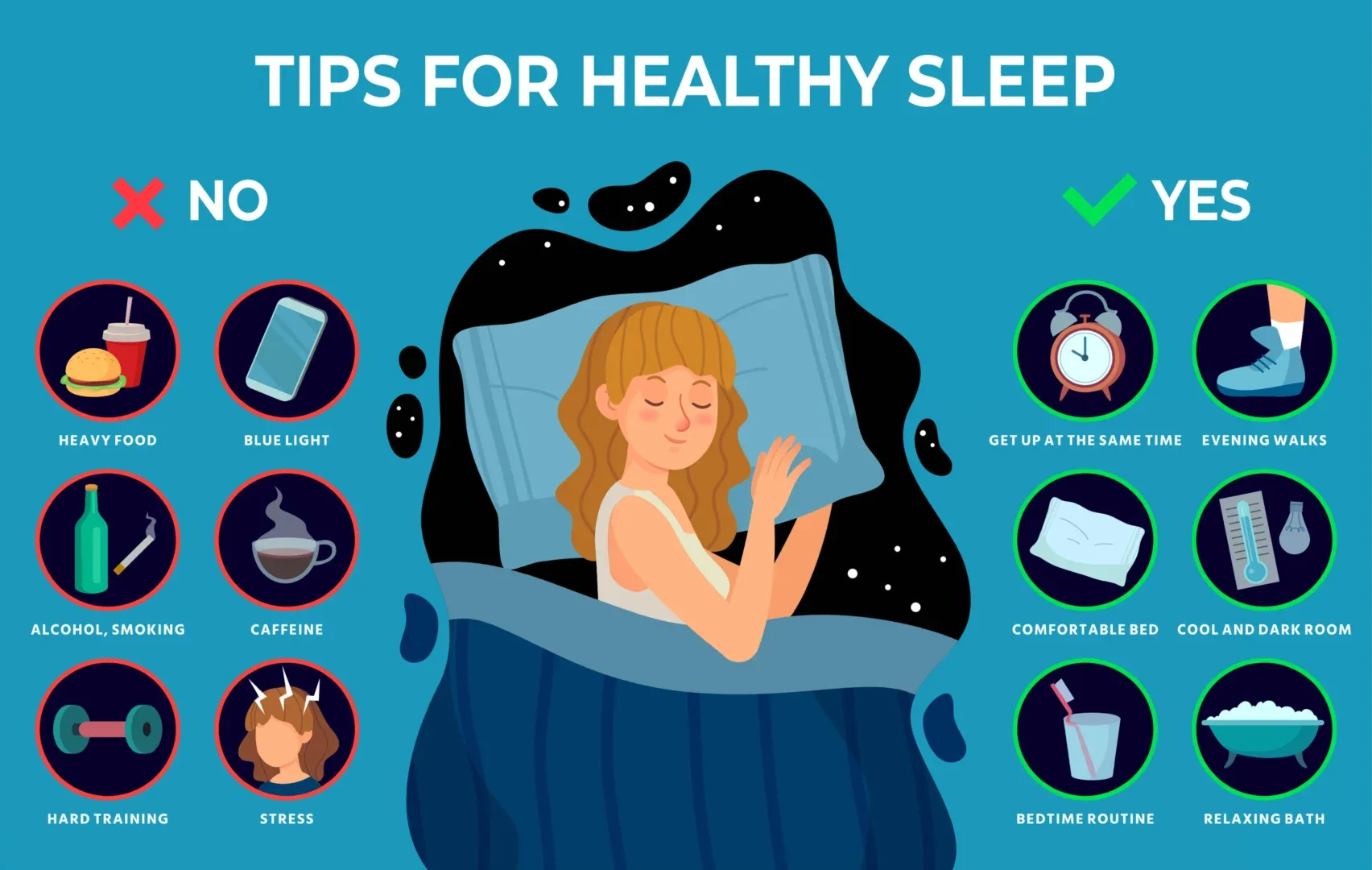
One of the most effective strategies is creating a regular sleep schedule. Going to bed and waking up at similar times every day helps train the body’s internal clock. Over time, falling asleep and waking up often become easier and more natural.
A relaxing bedtime routine can also help prepare the mind and body for sleep.
Think about how children often follow bedtime routines that include calming activities. Adults benefit from similar habits. Reading a book, stretching gently, listening to relaxing music, or practicing meditation can signal that it is time to wind down.
Reducing screen exposure before bed is another powerful habit. Many sleep experts recommend limiting smartphone, tablet, and computer use during the hour before bedtime.
Instead of scrolling through social media, people may find it helpful to read, journal, or engage in other quiet activities that encourage relaxation.
Physical activity during the day also supports better sleep. Regular exercise helps reduce stress, improve mood, and regulate energy levels. Many people notice that they fall asleep faster and enjoy deeper sleep when they stay physically active.
Natural light exposure during the day is equally important. Spending time outdoors helps reinforce healthy sleep-wake cycles and supports the body’s natural production of sleep-related hormones.
Managing stress can significantly improve sleep quality as well. Breathing exercises, mindfulness practices, and relaxation techniques can help calm an overactive mind before bedtime.
Some people find it useful to write down worries or create a simple to-do list for the next day. This allows the brain to release concerns instead of replaying them repeatedly while trying to fall asleep.
The sleeping environment should also be optimized whenever possible. A cool, dark, and quiet room often supports better rest. Comfortable mattresses and pillows can make a surprisingly large difference over time.
Alcohol is sometimes mistakenly viewed as a sleep aid because it can make people feel sleepy. However, alcohol often disrupts normal sleep patterns and reduces overall sleep quality later in the night.
Patience is important when improving sleep habits. Just as poor sleep patterns develop over time, healthy sleep routines also require consistency. Small changes may not produce immediate results, but they often lead to noticeable improvements over weeks and months.
Good sleep is one of the most powerful tools available for improving overall health. It supports the brain, strengthens the body, improves mood, enhances productivity, and helps people perform at their best each day. By understanding the science of sleep and making practical adjustments such as maintaining a regular schedule, limiting evening screen use, managing stress, staying active, and creating a sleep-friendly environment, anyone can improve their chances of enjoying deeper, more restorative rest every night. The benefits extend far beyond bedtime, influencing nearly every aspect of daily life in positive ways.