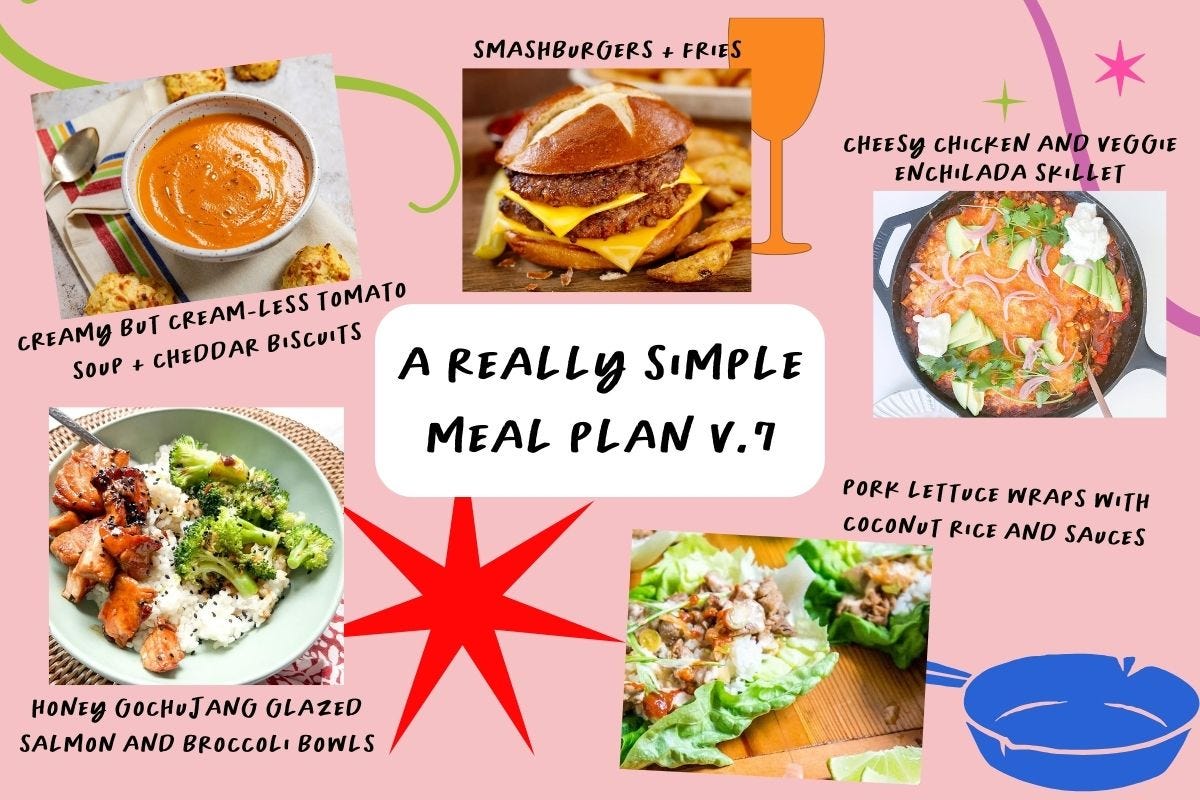
Modern family life often feels like a race against the clock. Parents balance work responsibilities, children’s school schedules, household chores, errands, social commitments, and countless unexpected tasks that appear throughout the week. In the middle of this busy routine, one question seems to return every single day: “What’s for dinner?”
For many families, meal times become stressful not because cooking is difficult, but because planning is often left until the last minute. After a long day, standing in front of the refrigerator without a clear idea of what to prepare can feel frustrating and exhausting.
This is where meal planning can make a remarkable difference.
Meal planning does not mean spending entire weekends preparing dozens of meals or following complicated nutrition systems. At its core, meal planning is simply the practice of deciding ahead of time what your family will eat during the coming days. A little preparation can save time, reduce stress, lower grocery bills, and make healthy eating much easier.
Many busy families assume they do not have time for meal planning. Ironically, meal planning often gives them more time because it eliminates daily decision-making and reduces unnecessary trips to the grocery store.
Think of meal planning as creating a roadmap for the week. Instead of wondering what to cook every evening, you already have a plan in place. This simple habit can transform the way families approach food and daily routines.
Creating a Weekly Plan That Actually Works
One reason people abandon meal planning is because they make it too complicated from the beginning. They create elaborate menus, choose difficult recipes, and try to completely change their eating habits overnight.
A better approach is to start simple.
Imagine sitting down for fifteen minutes once a week to think about the upcoming schedule. Which days will be busy? Which evenings allow more time for cooking? Are there sports practices, school events, meetings, or family gatherings to consider?
Understanding the week’s schedule helps determine what types of meals make sense.
For example, a family may choose simple one-pot meals or slow cooker recipes on busy weekdays while saving more elaborate cooking for weekends. Matching meals to available time reduces stress and increases the likelihood that the plan will actually be followed.
Many families find success by assigning themes to certain days of the week.
One evening might be dedicated to pasta dishes. Another could focus on soups or stews. A different night might feature rice-based meals, grilled foods, or vegetarian options. These themes reduce decision fatigue because they provide a starting point for planning.
Keeping a list of family favorite meals is also helpful. Some people mistakenly believe meal planning requires constantly trying new recipes. In reality, familiar meals often make planning easier.
Most families have ten to fifteen dishes that everyone generally enjoys. Rotating these meals throughout the month creates variety without requiring constant experimentation.
A written meal plan can be surprisingly powerful. Whether stored in a notebook, on a calendar, or on a phone, seeing the week’s meals in advance creates clarity and organization.
Once the meal plan is complete, creating a shopping list becomes much easier.
Instead of wandering through the grocery store wondering what to buy, families can purchase exactly what they need for planned meals. This often reduces impulse purchases and helps control food costs.
Another useful strategy is checking the refrigerator, freezer, and pantry before shopping. Many households already have ingredients that can be incorporated into upcoming meals.
Using existing ingredients first not only saves money but also reduces food waste. A forgotten bag of vegetables, leftover chicken, or pantry staples can often become part of a planned meal with a little creativity.
The goal is not perfection. The goal is creating enough structure to make daily meal decisions easier and less stressful.
Smart Preparation Habits That Save Time During the Week
Meal planning becomes even more effective when combined with simple preparation habits.
Many busy families discover that a small amount of preparation on weekends can save significant time during the workweek.
This does not mean spending an entire day cooking. Even one hour of preparation can make daily cooking much easier.
Imagine washing and chopping vegetables ahead of time. When dinner preparation begins, ingredients are already ready to use. The same principle applies to fruits, salad ingredients, and cooking staples.
Batch cooking is another valuable strategy. Certain foods can be prepared in larger quantities and used throughout the week.
Rice, quinoa, lentils, beans, and roasted vegetables often store well and can become part of multiple meals. Cooking these items once instead of repeatedly saves both time and effort.
Protein preparation can be especially helpful. Grilled chicken, baked fish, boiled eggs, or cooked legumes can be incorporated into various lunches and dinners over several days.
Freezers are often underused meal-planning tools. Many dishes freeze exceptionally well, including soups, stews, curries, casseroles, and sauces.
Imagine arriving home after a particularly busy day and having a homemade meal ready to reheat. Freezer-friendly meals provide convenience without relying on takeout or highly processed foods.
Leftovers can also become part of a successful meal-planning strategy.
Some people view leftovers as repetitive, but they can actually reduce cooking workload significantly. A roasted chicken prepared for dinner may become sandwiches, wraps, salads, or soup the following day.
Similarly, cooked vegetables can be added to omelets, rice bowls, pasta dishes, or lunch containers.
Kitchen equipment can make preparation even more efficient. Slow cookers, pressure cookers, rice cookers, and air fryers allow many meals to cook with minimal supervision.
Busy parents often appreciate meals that require only a few minutes of preparation before the appliance handles the rest of the cooking process.
Keeping simple backup meals available is another smart habit.
Even the best meal plans occasionally encounter unexpected changes. A late meeting, a sick child, or an unplanned event can disrupt the schedule.
Having quick meal options available—such as eggs, frozen vegetables, whole-grain pasta, canned beans, or simple sandwich ingredients—provides flexibility when plans change.
Meal planning should reduce stress, not create it. Preparation habits make the entire process smoother and more sustainable.
Making Healthy Family Meals Easier and More Sustainable
One of the greatest benefits of meal planning is its ability to support healthier eating habits.
When meals are planned in advance, families are more likely to make thoughtful choices about nutrition. Last-minute decisions often lead to convenience foods, takeout meals, or less balanced options simply because they require less immediate effort.
Meal planning creates opportunities to include a variety of foods throughout the week.
Families can intentionally incorporate vegetables, fruits, whole grains, lean proteins, legumes, and healthy fats into their meal schedule. This variety helps ensure balanced nutrition while keeping meals interesting.
Children can also become involved in the planning process.
Many parents find that children are more willing to try foods when they participate in selecting meals or helping prepare them. Simple tasks such as choosing vegetables, washing produce, setting the table, or assisting with age-appropriate cooking activities can increase engagement.
Family involvement often turns meal planning into a shared responsibility rather than a burden placed entirely on one person.
Budget management is another important advantage.
Food prices continue to be a concern for many households. Planning meals around grocery sales, seasonal produce, and pantry staples can help reduce overall expenses.
Impulse purchases often decrease when shopping is guided by a detailed list rather than spontaneous decisions.
Reducing food waste also contributes to financial savings. Ingredients purchased with a specific purpose are less likely to be forgotten in the back of the refrigerator.
Flexibility remains essential for long-term success. Some people abandon meal planning because they believe every meal must follow the schedule perfectly.
Life rarely works that way.
A meal planned for Wednesday can easily move to Thursday if circumstances change. The purpose of a meal plan is to provide guidance, not strict rules.
Over time, meal planning often becomes easier and more automatic. Families develop favorite recipes, efficient shopping routines, and preparation habits that simplify the process.
The result is more than just easier dinners. Families often experience less daily stress, improved nutrition, lower grocery costs, and more quality time together around the table.
Simple meal planning strategies do not require professional culinary skills or hours of preparation. By creating a basic weekly plan, preparing ingredients in advance, using leftovers wisely, involving family members, and maintaining flexibility, busy households can make mealtime far more manageable. In a world where schedules are often packed and time feels limited, a little planning can go a long way toward creating healthier, more organized, and more enjoyable family meals throughout the week.