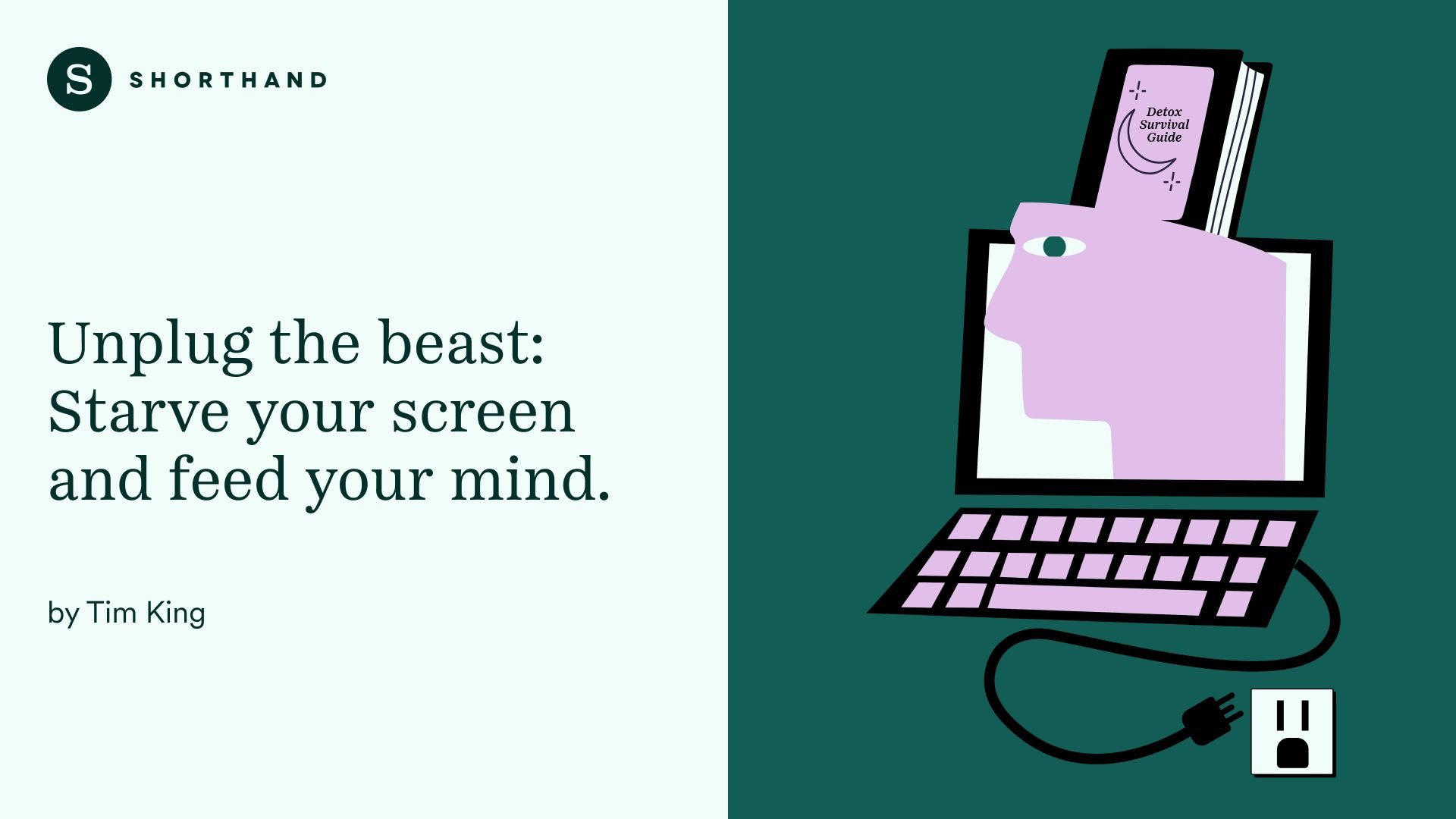
A typical day in 2026 begins and ends with screens. Many people wake up and immediately check their phones. They scroll through messages, social media updates, news headlines, and emails before even getting out of bed. Throughout the day, screens remain a constant presence. Computers are used for work, tablets for reading, smartphones for communication, televisions for entertainment, and smart devices for countless daily tasks.
Technology has undoubtedly made life more convenient. It helps people stay connected, learn new skills, manage businesses, shop online, and access information instantly. Yet many people are beginning to notice a different side of this digital lifestyle.
Hours spent staring at screens can leave people feeling mentally exhausted, distracted, and disconnected from the physical world around them. Many individuals find themselves reaching for their phones without thinking, checking notifications repeatedly, or spending far more time online than they originally intended.
The issue is not that technology is bad. Modern life depends heavily on digital tools, and most people cannot simply abandon them. The real challenge is finding balance.
A digital detox does not mean throwing away smartphones or disconnecting from the internet forever. Instead, it involves creating healthier relationships with technology so that screens serve our lives rather than control them.
Just as healthy eating is about balance rather than complete restriction, digital wellness is about using technology intentionally while making space for offline experiences that support mental and physical well-being.
Understanding How Excessive Screen Time Affects Daily Life
Many people underestimate how much time they spend looking at screens. Small moments add up quickly. A few minutes checking messages here, a quick social media scroll there, a video during lunch, online shopping in the evening, and streaming content before bed can easily accumulate into several hours each day.
The effects of excessive screen time are often subtle at first.
One of the most common issues is reduced attention span. Modern digital platforms are designed to capture and hold attention. Notifications, short videos, endless feeds, and constant updates encourage frequent switching between tasks.
Imagine trying to read a book while someone interrupts every few minutes. Concentration becomes difficult because the brain never has enough time to settle into deep focus. The same thing happens when notifications constantly compete for attention.
Many people notice that they find it harder to focus on long articles, books, or complex projects after spending large amounts of time jumping between digital content.
Mental fatigue is another common consequence. The brain processes enormous amounts of information every day. News updates, advertisements, social media posts, emails, videos, and messages create a constant flow of stimulation.
While technology can be useful, too much information without adequate breaks may leave people feeling overwhelmed.
Sleep quality can also suffer. Smartphones and tablets often remain within reach until bedtime. Many individuals scroll through content while lying in bed, exposing themselves to stimulation and bright screens at a time when the brain should be preparing for sleep.
Poor sleep can then affect mood, energy levels, concentration, and overall health the following day.
Social media presents unique challenges as well. While it allows people to stay connected, it can sometimes encourage unhealthy comparisons. Constant exposure to carefully selected highlights from other people’s lives may create unrealistic expectations or feelings of dissatisfaction.
Physical health may also be affected by prolonged screen use. Many people spend hours sitting in the same position while working or browsing online. Extended periods of sitting can contribute to stiffness, poor posture, and reduced physical activity.
Eye strain has become increasingly common in the digital age. Looking at screens for long periods may lead to tired eyes, dryness, headaches, and discomfort.
The goal of understanding these effects is not to create fear about technology. Instead, it helps people recognize why occasional breaks from screens can be beneficial for both mind and body.
Simple Ways to Reduce Digital Overload Without Disconnecting Completely
Many people imagine a digital detox as spending a week in the wilderness without internet access. While that approach works for some individuals, most people need practical solutions that fit into everyday life.
The good news is that meaningful improvements often come from small changes rather than extreme measures.
One effective strategy is creating technology-free moments throughout the day. For example, some people choose not to use their phones during meals. This simple habit encourages more mindful eating and better conversations with family and friends.
Others create phone-free periods during the first hour after waking up and the last hour before bed. These times can be used for reading, stretching, planning the day, or simply enjoying a calmer start and end to daily routines.
Turning off non-essential notifications can also make a significant difference. Many apps compete for attention even when their alerts are not truly important.
Imagine how much quieter life becomes when a phone only notifies you about genuinely important messages instead of every social media update, promotional offer, or app activity.
Another helpful habit involves creating physical distance from devices. Many people automatically reach for their phones because they are always within arm’s reach.
Keeping the phone in another room while working, reading, or spending time with family can reduce the temptation to check it constantly.
Screen-free hobbies provide another powerful way to restore balance. Activities such as reading physical books, gardening, cooking, drawing, walking, exercising, or learning a musical instrument engage the mind without requiring a screen.
These activities often create a different type of satisfaction because they involve active participation rather than passive consumption.
Nature can be especially helpful during a digital detox. Spending time outdoors encourages people to engage with the physical world instead of digital content.
A walk in a park, time spent gardening, or simply sitting outside for a few minutes can provide a refreshing mental reset.
Many people also benefit from setting boundaries around social media use. Instead of checking platforms throughout the day, they designate specific times for social media and avoid endless scrolling.
Some individuals use built-in screen-time tracking tools to better understand their habits. These reports often reveal surprising patterns and help identify opportunities for improvement.
The objective is not to eliminate technology but to use it with greater awareness and intention.
Building a Healthy Relationship with Technology for the Long Term
A successful digital detox is not a temporary challenge. It is part of creating a healthier long-term relationship with technology.
Think about nutrition. Healthy eating is not achieved through a single day of perfect choices. It comes from developing sustainable habits over time. The same principle applies to digital wellness.
Technology offers incredible benefits. It allows people to work remotely, stay connected with loved ones across the world, learn new skills, manage businesses, and access information instantly. Completely avoiding technology is neither realistic nor necessary.
The goal is balance.
One important step is becoming more intentional about screen use. Before opening an app or website, ask yourself why you are using it. Are you looking for specific information, communicating with someone, or simply responding to boredom?
This simple question can help reduce mindless scrolling and encourage more purposeful technology use.
Creating digital boundaries within the home can also be valuable. Some families establish screen-free zones such as dining rooms or bedrooms. These spaces encourage conversation, relaxation, and quality time without digital distractions.
Parents often find that modeling healthy technology habits is more effective than simply setting rules for children. When adults demonstrate balanced screen use, younger family members are more likely to develop similar habits.
Work-life balance deserves attention as well. Remote work and digital communication have blurred the boundaries between professional and personal life.
Many people feel pressure to remain available at all times. Establishing clear limits around work-related communication can help prevent burnout and create healthier routines.
Mindfulness can play an important role in digital wellness. Paying attention to how technology affects mood, focus, energy, and relationships allows people to make more informed decisions about their habits.
Some days may require significant screen use due to work or other responsibilities. On those days, small breaks become even more important. Standing up, stretching, looking away from screens, or taking a short walk can help reduce mental and physical fatigue.
Over time, many people discover that reducing unnecessary screen time creates room for other meaningful experiences. They spend more time outdoors, engage in hobbies, enjoy face-to-face conversations, exercise more regularly, and experience greater mental clarity.
A digital detox is not about rejecting modern technology. It is about using technology in ways that support rather than dominate daily life. By understanding the effects of excessive screen time, creating healthy boundaries, reducing digital distractions, and making space for offline activities, people can enjoy the benefits of technology without becoming overwhelmed by it. In a world filled with screens, finding balance may be one of the most valuable wellness habits of all.