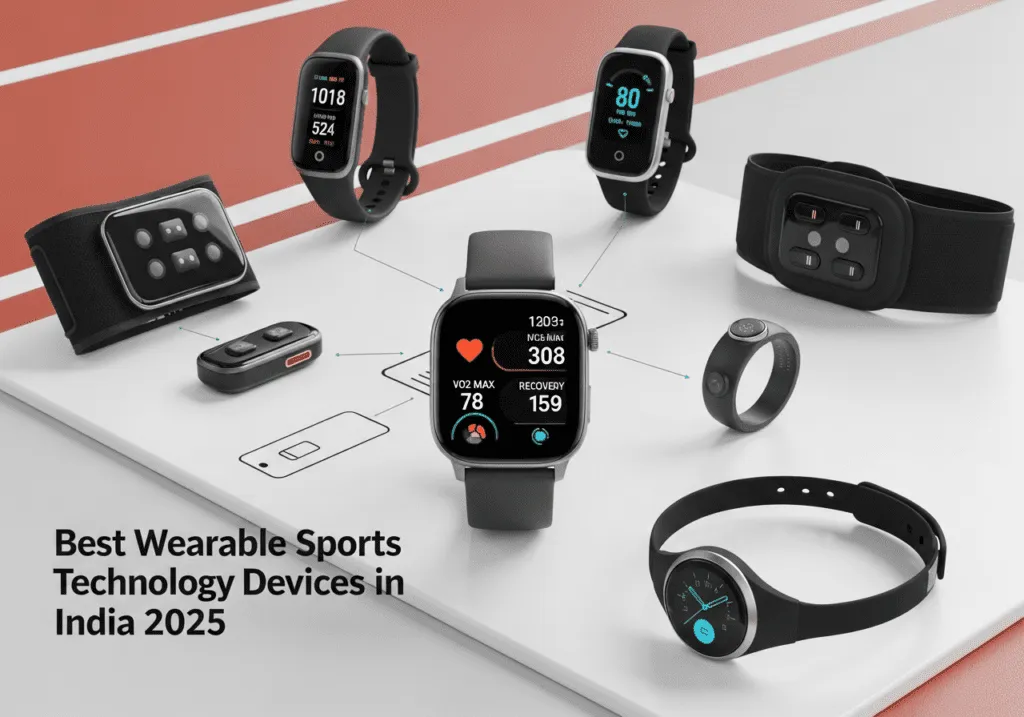
Not long ago, wearable technology was a niche category that attracted mainly technology enthusiasts and fitness lovers. Most people associated wearables with step counters, heart rate monitors, or smartwatches that displayed notifications from a smartphone. These devices were useful, but their capabilities were relatively limited.
In 2026, wearable technology is entering a completely new phase. The industry is moving far beyond basic fitness tracking and smartphone notifications. Wearables are becoming smarter, more comfortable, and deeply integrated into daily life. Instead of simply collecting information, modern devices are beginning to understand user behavior, monitor health in greater detail, and provide real-time assistance throughout the day.
The most interesting part is that many future wearables may not even look like traditional gadgets. Technology is gradually becoming smaller, lighter, and more seamlessly woven into clothing, accessories, and everyday objects. The goal is no longer to wear technology. The goal is to make technology almost invisible while keeping it constantly available when needed.
As researchers and manufacturers continue pushing innovation forward, wearable technology is transforming from a simple convenience into a powerful tool that supports health, communication, productivity, and personal safety.
Wearables Are Becoming Personal Health Companions
Health monitoring remains one of the biggest drivers of wearable technology, but today’s devices are doing much more than counting steps or measuring calories burned.
Modern wearables continuously collect data about heart rate, sleep quality, blood oxygen levels, stress patterns, physical activity, and recovery periods. Advanced sensors are becoming more accurate and capable of detecting subtle changes in the body that may have gone unnoticed in the past.
Imagine waking up in the morning and receiving a personalized health report based on your sleep quality, resting heart rate, breathing patterns, and overall recovery. Instead of simply saying you slept for seven hours, a wearable can explain whether your body actually recovered well and suggest adjustments for the day ahead.
Many people are already using wearable devices to manage fitness goals, but future systems are becoming more proactive. Rather than waiting for users to ask questions, AI-powered wearables can identify potential issues and offer recommendations before problems develop.
For example, a wearable may notice signs of increasing stress over several days and recommend relaxation exercises, improved sleep habits, or reduced activity levels. Someone training for a marathon may receive suggestions to avoid overtraining based on recovery data.
Wearable technology is also becoming increasingly important for older adults. Devices can monitor movement patterns and detect falls automatically. If an emergency occurs, alerts can be sent to family members or healthcare providers immediately.
Patients managing chronic health conditions may benefit significantly from continuous monitoring. Instead of relying only on occasional doctor visits, wearable devices can provide ongoing data that helps both patients and medical professionals make informed decisions.
Researchers are developing wearable sensors capable of tracking hydration levels, blood glucose trends, body temperature variations, and other important health indicators. Some future devices may help detect early signs of illness before noticeable symptoms appear.
Mental wellness is becoming another major focus area. Stress, anxiety, and burnout have become common concerns in modern life. Wearables can monitor physiological signals related to emotional well-being and encourage healthier habits through personalized guidance.
The relationship between healthcare and wearable technology is gradually changing. Rather than reacting to health problems after they occur, future wearables may help people maintain healthier lifestyles through prevention, awareness, and early intervention.
Smart Glasses, Smart Clothing, and New Ways to Stay Connected
While smartwatches remain popular, many experts believe the next wave of wearable technology will look very different.
Smart glasses are attracting significant attention because they have the potential to change how people interact with digital information. Instead of constantly checking a smartphone screen, users may receive directions, notifications, translations, and useful information directly within their field of vision.
Imagine walking through an unfamiliar city while navigation instructions appear naturally in front of you. Tourists could view historical information about landmarks instantly. Travelers could read real-time translations while speaking with people who use different languages.
For professionals, smart glasses may become valuable workplace tools. Engineers, technicians, healthcare workers, and warehouse employees could access information hands-free while focusing on their tasks. This can improve efficiency and reduce distractions.
Another exciting development involves smart clothing. Unlike traditional wearable devices that are attached to the body, smart clothing integrates sensors directly into fabrics.
Athletes may wear shirts that monitor muscle activity, posture, and movement efficiency during training sessions. Workers in physically demanding jobs could receive warnings about poor posture or excessive strain before injuries occur.
Smart jackets might automatically adjust insulation based on weather conditions. Heated clothing could provide additional comfort during winter months while using energy efficiently. As textile technology improves, these features may become increasingly practical and affordable.
Smart rings are also growing in popularity. Many people prefer rings because they are smaller, lighter, and less noticeable than watches. Despite their compact size, modern smart rings can track sleep, activity, heart rate, and various health metrics.
Earbuds are evolving into powerful wearable devices as well. Beyond playing music or handling phone calls, future earbuds may monitor health indicators, provide real-time language translation, and offer AI-powered assistance throughout the day.
Some companies are even exploring wearable technology that interacts directly with the human body in new ways. Advanced hearing devices, vision-enhancing wearables, and assistive technologies are helping people overcome physical limitations and improve quality of life.
Communication is also becoming more natural through wearable technology. Rather than pulling out a phone for every interaction, users may communicate through voice commands, gesture controls, eye tracking, or subtle wearable interfaces.
These innovations are gradually shifting technology away from screens and toward more seamless interactions that fit naturally into everyday life.
Artificial Intelligence and the Next Generation of Wearable Technology
Artificial intelligence is becoming the engine that powers the future of wearable devices. Sensors can collect enormous amounts of information, but AI helps transform that information into meaningful insights.
Instead of presenting raw data, AI-powered wearables interpret patterns, identify trends, and provide useful recommendations. This makes the technology more valuable and easier for ordinary users to understand.
Consider a wearable that tracks activity, sleep, stress, and nutrition. Individually, these measurements are useful. Combined with AI analysis, they can create a much deeper understanding of overall health and lifestyle habits.
The system may recognize that poor sleep is affecting exercise performance or that increased stress is influencing recovery. Personalized suggestions can then help users make better decisions throughout the day.
Productivity is another area where AI-enhanced wearables are making an impact. Future devices may help users manage schedules, prioritize tasks, reduce distractions, and optimize work habits based on individual behavior patterns.
Wearables may also become more predictive. Rather than simply reporting current conditions, they could forecast future outcomes. A device might warn that fatigue levels are rising or predict when stress is likely to increase based on upcoming activities and routines.
Battery technology is improving alongside wearable innovation. Future devices are expected to last longer between charges while becoming smaller and lighter. Researchers are exploring new power sources, including energy harvesting technologies that capture movement, body heat, or sunlight.
Privacy and security remain important considerations as wearables collect increasingly detailed personal information. Manufacturers are investing heavily in data protection technologies, encryption methods, and user controls to ensure sensitive information remains secure.
The next generation of wearable devices will likely work together as connected ecosystems. A smart ring, smart glasses, earbuds, and smart clothing may share information seamlessly, creating a more complete picture of a user’s health, environment, and daily activities.
Over time, the boundaries between technology and everyday life may continue to blur. Wearables are becoming less like gadgets and more like personal assistants that quietly support people throughout the day.
The future of wearable technology extends far beyond smartwatches and fitness bands. It includes intelligent clothing, advanced health monitoring systems, smart glasses, connected accessories, and AI-powered devices that adapt to individual needs. As these innovations become more accessible, wearable technology will play an increasingly important role in helping people stay healthy, connected, productive, and informed. What once seemed like futuristic technology is steadily becoming part of ordinary life, opening the door to a future where technology works alongside people in ways that feel natural, helpful, and almost effortless.