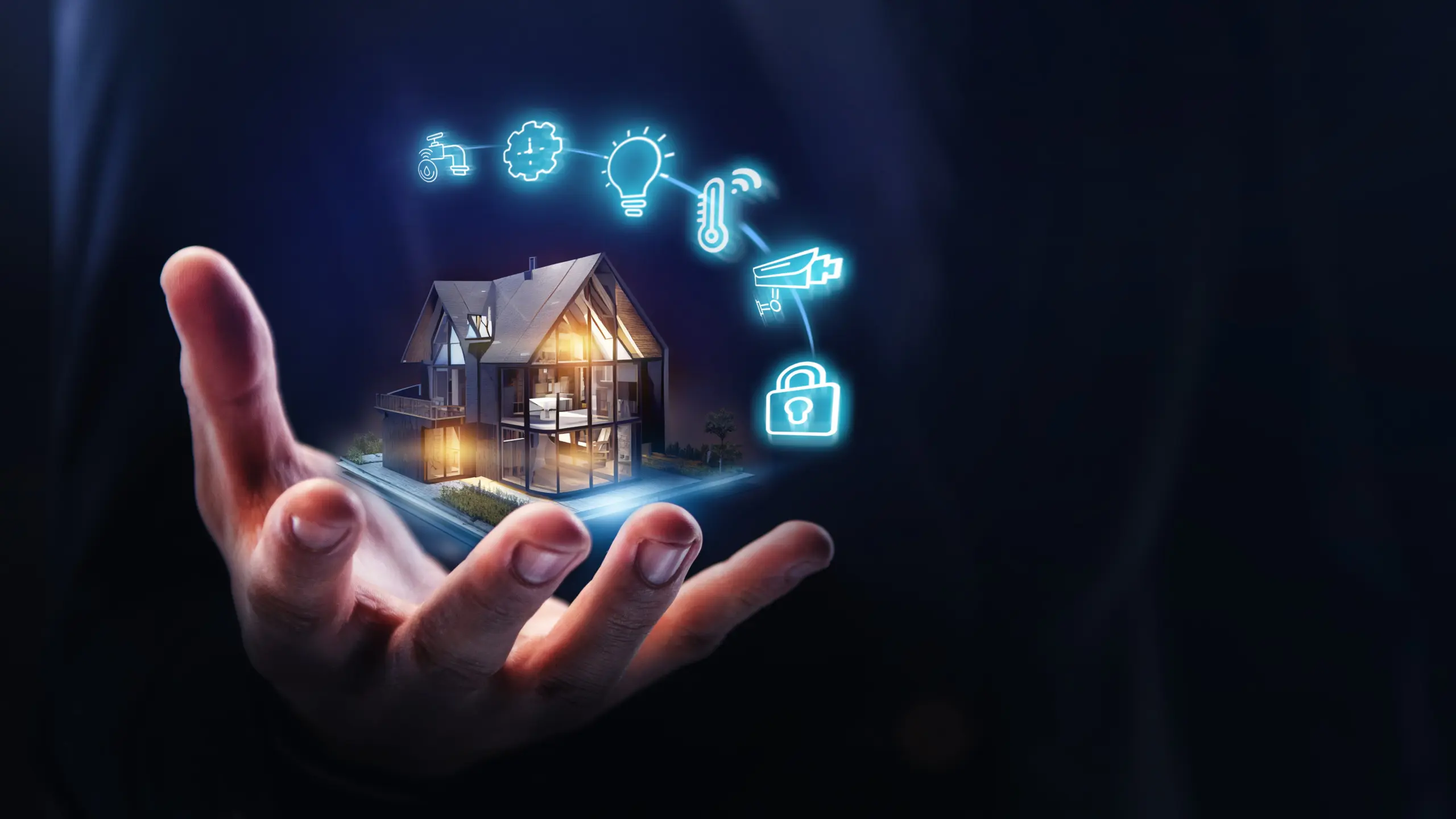
A few years ago, the idea of living in a smart home sounded expensive and futuristic. Many people imagined houses filled with robots, complicated control panels, and advanced technology that only wealthy homeowners could afford. In 2026, the reality is very different. Smart home technology has become more affordable, easier to install, and much more useful for everyday life.
Many homeowners are discovering that they do not need to renovate their entire house to enjoy the benefits of a smart home. Small upgrades can make daily routines simpler, save time, improve security, and even reduce electricity bills. The best part is that most of these improvements work quietly in the background. Once installed, they become a natural part of life.
Imagine waking up in the morning and having your bedroom lights gradually brighten instead of being shocked awake by a loud alarm. As you walk toward the kitchen, the thermostat has already adjusted the temperature to your preferred setting. Your coffee maker begins brewing automatically while your smart speaker reads the day’s weather forecast and important reminders. These conveniences may seem small individually, but together they create a smoother and more comfortable start to the day.
Smart home technology is no longer about showing off gadgets. It is about making everyday living easier, safer, and more efficient.
Smart Lighting, Climate Control, and Everyday Convenience
One of the easiest ways to start building a smart home is through lighting. Smart bulbs have become one of the most popular home technology upgrades because they are simple to install and provide immediate benefits.
Unlike traditional light bulbs, smart bulbs can be controlled using a smartphone app, voice commands, or automated schedules. Homeowners can turn lights on or off without getting up from the couch. Lights can be programmed to switch on automatically when someone enters a room or turn off when nobody is present.
This may sound like a luxury at first, but many people quickly discover practical benefits. Families often save electricity because lights are no longer accidentally left on for hours. Elderly residents can move around the house more safely at night using motion-activated lighting. Parents can check whether lights have been left on in children’s rooms even when they are away from home.
Climate control is another area where smart technology has made a noticeable difference. Traditional thermostats require manual adjustments whenever temperatures change. Smart thermostats learn household routines and automatically adjust heating or cooling settings based on daily habits.
For example, if family members typically leave for work at 8 a.m. and return at 6 p.m., the system can reduce energy use during those hours and restore comfortable temperatures before anyone arrives home. This creates a balance between comfort and energy efficiency.
During hot summers or cold winters, smart climate systems can significantly reduce utility bills. Instead of running continuously, they operate only when necessary. Over time, these savings can offset much of the initial cost of the technology.
Voice assistants have become another common feature in modern homes. Whether placed in the living room, kitchen, or bedroom, these devices help users perform everyday tasks hands-free. People can set timers while cooking, create shopping lists, play music, answer questions, or control other smart devices throughout the house.
Busy households often appreciate how much time these small conveniences save. Someone preparing dinner can ask for recipe instructions without touching a screen. A parent helping children with homework can quickly set reminders for upcoming activities. Simple voice commands eliminate many small interruptions throughout the day.
Smart plugs have also gained popularity because they allow ordinary appliances to become smarter. A lamp, fan, heater, or coffee machine can be connected to a smart plug and controlled remotely through a smartphone app. This allows homeowners to automate devices without replacing existing equipment.
These upgrades may seem modest, but together they create a home environment that responds intelligently to daily needs.
Better Home Security and Peace of Mind
Security remains one of the strongest reasons people invest in smart home technology. Modern security systems provide homeowners with more information and control than ever before.
Smart doorbells have become especially popular. Equipped with cameras, microphones, and motion sensors, they allow homeowners to see visitors even when they are not at home. Whether someone is at work, shopping, or traveling, they can receive notifications whenever someone approaches the front door.
Package theft has become a growing concern in many areas, and smart doorbells help address this problem. Homeowners can monitor deliveries in real time and communicate directly with delivery personnel if necessary.
Smart security cameras offer even greater protection. Modern systems can distinguish between people, pets, vehicles, and other movement. Instead of sending constant alerts for every minor motion, AI-powered cameras focus on activities that may actually require attention.
Many homeowners appreciate the ability to check camera feeds from anywhere in the world. Whether spending the weekend away or taking a long vacation, they can monitor their property using a smartphone.
Smart locks are another increasingly common upgrade. Traditional keys can be lost, forgotten, or copied. Smart locks allow users to lock or unlock doors remotely and create temporary access codes for family members, guests, cleaners, or contractors.
Imagine a situation where a family member arrives home without a key. Instead of rushing back from work, the homeowner can unlock the door remotely through an app. Temporary access codes can also be programmed to expire automatically after a specific period.
Smart smoke detectors and leak sensors provide additional protection. Traditional smoke alarms only alert people who are physically present in the home. Smart versions send notifications directly to smartphones, allowing homeowners to respond quickly even when they are away.
Water leak sensors can detect plumbing issues before they become expensive disasters. A small leak under a sink may go unnoticed for days or weeks. Smart sensors can identify unusual moisture levels and send alerts immediately, helping prevent costly damage.
For many families, the greatest benefit of smart security technology is not simply protection. It is peace of mind. Knowing that a home can be monitored and managed remotely reduces worry and helps homeowners feel more connected to their property.
Energy Savings, Future Trends, and Smarter Living
As energy costs continue to rise, many homeowners are turning to smart technology to improve efficiency. Smart homes are becoming valuable tools for reducing waste while maintaining comfort.
Energy monitoring systems provide detailed information about electricity usage. Instead of waiting for monthly utility bills, homeowners can see which devices consume the most power and identify opportunities to reduce energy consumption.
Some systems can automatically switch off unnecessary devices during periods of inactivity. Others can schedule appliances to operate during times when electricity rates are lower. These small adjustments often result in meaningful savings over time.
Smart irrigation systems are helping homeowners maintain gardens and lawns more efficiently. Traditional sprinklers operate according to fixed schedules regardless of weather conditions. Smart systems use weather forecasts and soil moisture data to determine when watering is actually needed.
This reduces water waste and helps maintain healthier plants. In regions where water conservation is important, these systems can make a significant difference.
Kitchen technology is becoming smarter as well. Modern refrigerators can track food inventory and suggest recipes based on available ingredients. Some ovens can be controlled remotely and adjusted through smartphone apps. Smart dishwashers optimize water and energy use depending on the size of the load.
These innovations may not completely transform daily life overnight, but they remove many small inconveniences that people face regularly.
Looking ahead, smart homes are expected to become even more intelligent. Future systems will likely communicate more effectively with one another, creating seamless experiences throughout the home. Instead of managing individual devices separately, homeowners may interact with a single integrated system that coordinates lighting, security, climate control, entertainment, and energy management automatically.
Artificial intelligence will continue to play an important role. Homes may learn routines more accurately and make adjustments without requiring manual input. Devices could anticipate needs before homeowners even realize them.
Despite these advancements, the most successful smart home technologies share a common goal. They simplify life rather than complicate it. The best devices are often the ones people barely notice because they quietly perform their tasks in the background.
Smart home technology in 2026 is not about filling houses with gadgets for the sake of innovation. It is about creating living spaces that work more efficiently, consume less energy, provide greater security, and support everyday routines. Through a collection of simple upgrades, homeowners can enjoy a more comfortable and connected lifestyle while making daily tasks easier than ever before.