AI Has Become an Invisible Part of Daily Routines
A few years ago, artificial intelligence felt like something from science fiction movies. People talked about smart robots, self-driving cars, and machines that could think like humans. In 2026, AI looks very different from what many people imagined. Instead of giant robots walking through city streets, artificial intelligence has quietly entered everyday life and become part of ordinary routines.
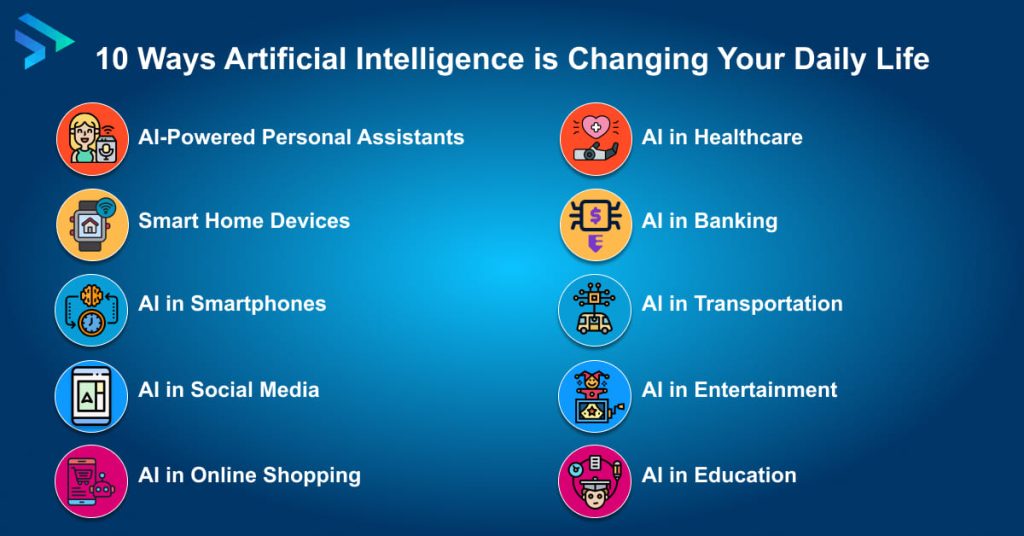
A typical morning now begins with AI in the background. Many people wake up using smart alarms that study sleeping patterns and choose the best moment to ring. Fitness watches track heart rate, sleep quality, and daily activity. These devices use AI to understand personal habits and provide suggestions that help users stay healthy.
During breakfast, people often ask voice assistants for weather updates, news summaries, or reminders for the day. The assistant can remember previous preferences and provide information that feels personalized. Someone who follows sports may receive sports headlines first, while another person interested in technology may hear updates about the latest gadgets.
Transportation has also changed. Navigation apps no longer simply show roads on a map. AI studies traffic patterns, road construction, accidents, and weather conditions in real time. It recommends the fastest routes and can even predict delays before they happen. This saves time and reduces stress for commuters.
Shopping has become smarter as well. Online stores use AI to understand customer preferences and recommend products that match individual interests. If someone regularly buys fitness equipment or healthy food products, future recommendations become more accurate. This creates a shopping experience that feels more personal and efficient.
Even household appliances have become more intelligent. Smart refrigerators can track food inventory and remind families when groceries are running low. Washing machines can automatically choose suitable settings based on fabric types. Air conditioners learn temperature preferences and adjust automatically throughout the day.
Many people no longer notice how often they interact with artificial intelligence because it works quietly behind the scenes. AI has become similar to electricity or the internet—something people use constantly without thinking about it. It is no longer a special technology reserved for experts. It has become part of ordinary life.
The Workplace and Education Are Being Transformed by AI
The influence of AI becomes even more visible during working hours. In 2026, employees across many industries use AI-powered tools every day. These systems help workers complete repetitive tasks faster, allowing them to spend more time on creative and strategic activities.
Office workers use AI assistants to draft emails, summarize long documents, organize meetings, and prepare reports. Tasks that once required several hours can often be completed in minutes. Instead of replacing workers completely, AI is acting as a digital assistant that increases productivity.
Customer service has changed significantly. Many businesses use AI chat systems that answer common questions around the clock. Customers receive immediate responses without waiting for human agents. More complex issues are then transferred to trained staff members who can focus on solving difficult problems.
Healthcare professionals are also benefiting from AI technology. Doctors use advanced systems to analyze medical records, identify possible health risks, and support diagnosis. Hospitals can process large amounts of information quickly, helping medical teams make informed decisions. Patients often receive faster responses and more personalized care.
In manufacturing and logistics, AI helps companies manage inventory, predict equipment failures, and improve delivery routes. Businesses can reduce waste and operate more efficiently. Consumers benefit through faster deliveries and better product availability.
Education has experienced one of the most remarkable transformations. Students now have access to AI-powered learning platforms that adapt lessons to individual learning styles. Some students learn quickly through visual examples, while others prefer detailed explanations. AI can identify these preferences and adjust educational content accordingly.
A student struggling with mathematics can receive additional practice exercises and step-by-step explanations. Another student excelling in science can be offered more advanced materials. This personalized approach helps learners progress at their own pace rather than following a single method designed for everyone.
Teachers are also finding value in AI tools. They can automate grading for certain assignments, track student progress, and identify areas where extra support may be needed. This allows educators to spend more time teaching and interacting with students rather than managing administrative tasks.
Language learning has become easier too. AI-powered applications provide real-time pronunciation feedback, conversation practice, and customized lessons. People can learn new languages from home while receiving guidance that feels similar to working with a personal tutor.
Remote work and online learning have also improved because of AI-driven communication tools. Automatic transcription, translation, and meeting summaries help people collaborate across different countries and languages. Teams can work together more effectively regardless of location.
As AI continues to evolve, workers and students are discovering new ways to improve efficiency, develop skills, and solve problems. The technology is not simply changing how tasks are completed; it is changing how people learn, communicate, and create value.
AI Is Reshaping Health, Entertainment, and Personal Decision-Making
Artificial intelligence is also influencing how people take care of themselves, spend leisure time, and make everyday decisions.
Health monitoring has become more advanced than ever before. Wearable devices continuously collect information about physical activity, sleep quality, heart rate, and other health indicators. AI analyzes this data and provides recommendations tailored to individual needs.
For example, a person who consistently sleeps poorly may receive suggestions for improving bedtime habits. Someone who spends long periods sitting at a desk might receive reminders to move around and exercise. These small recommendations help people build healthier lifestyles over time.
Mental wellness tools are becoming increasingly popular as well. AI-powered applications can guide users through meditation exercises, stress management techniques, and daily wellness routines. While they do not replace professional healthcare providers, they offer convenient support for many people.
Entertainment has changed dramatically because of AI. Streaming services use intelligent recommendation systems to suggest movies, television shows, music, podcasts, and books that match personal interests. Instead of searching through thousands of options, users receive carefully selected recommendations based on their viewing and listening habits.
Video games have become more immersive through AI-driven characters and adaptive gameplay. Non-player characters can respond more naturally to player actions, creating experiences that feel more realistic and engaging. Games can also adjust difficulty levels automatically based on player performance.
Content creation has become accessible to a wider audience. Writers, designers, musicians, and video creators use AI tools to generate ideas, edit content, and speed up production processes. Small businesses and independent creators can now produce professional-quality work without requiring large teams or expensive equipment.
Travel planning has also become simpler. AI systems can compare flights, hotels, transportation options, and tourist attractions to create personalized travel plans. Travelers save time while receiving recommendations based on their budgets and preferences.
Financial management is another area experiencing major changes. AI-powered banking tools help users track spending, create budgets, and identify opportunities to save money. Some systems can detect unusual transactions and warn customers about potential fraud before significant damage occurs.
Personal decision-making is increasingly supported by intelligent systems. Whether choosing a new smartphone, selecting an insurance plan, finding healthy recipes, or planning a fitness routine, people often rely on AI-generated recommendations. The technology helps process large amounts of information quickly, making complex decisions easier to understand.
Despite these advantages, many people remain aware of important concerns related to privacy, security, and responsible AI use. Individuals are paying closer attention to how personal data is collected and used. Governments, businesses, and technology companies continue working to create rules and standards that encourage responsible development.
The story of artificial intelligence in 2026 is not about machines taking over human life. It is about technology becoming a practical tool that supports daily activities. From waking up in the morning to learning new skills, managing health, enjoying entertainment, and making informed decisions, AI has woven itself into the fabric of everyday life. What once seemed futuristic has become ordinary, and for millions of people around the world, artificial intelligence is now a trusted companion quietly helping them navigate each day more efficiently and effectively.