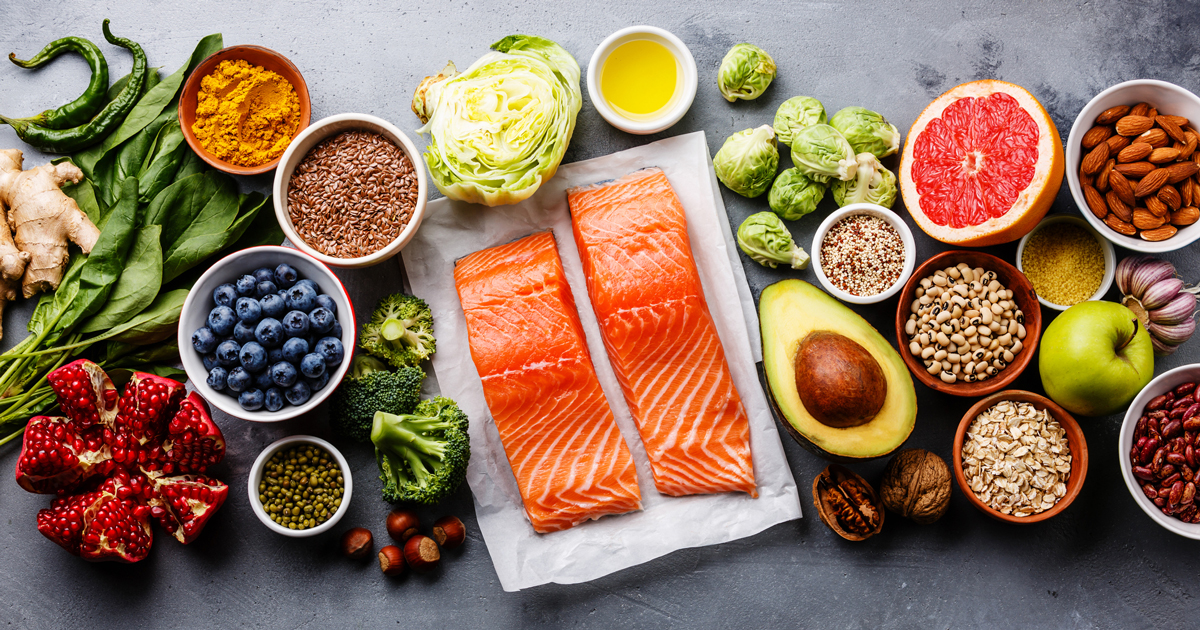
Walk through any supermarket, browse a health magazine, or spend a few minutes on social media, and you will probably come across the term “superfood.” Blueberries are called superfoods. Kale is often described as a superfood. Chia seeds, avocados, salmon, turmeric, green tea, and many other foods have earned the same label over the years.
For someone trying to eat healthier, all this information can become confusing. Are superfoods truly special? Do they have magical health benefits? Can eating a few superfoods transform your health overnight?
The reality is much more practical and far more interesting.
A superfood is not a scientific category recognized by nutrition experts. Instead, it is a popular term used to describe foods that are rich in nutrients and may provide significant health benefits when included as part of a balanced diet.
These foods are often packed with vitamins, minerals, antioxidants, healthy fats, fiber, or other compounds that support overall well-being. However, no single food can provide everything the body needs. Good health comes from a variety of nutritious foods working together rather than relying on one “miracle” ingredient.
Think of superfoods as star players on a sports team. They may contribute exceptional strengths, but they still need the support of many other healthy foods to create a winning combination.
Understanding what makes certain foods special can help people make smarter dietary choices and build healthier eating habits over time.
What Makes a Food a Superfood?
When people hear the word superfood, they often imagine rare ingredients found only in specialty stores. In reality, many superfoods are common foods that have been part of traditional diets for centuries.
What usually earns a food the superfood label is its nutrient density. This means it provides a large amount of beneficial nutrients relative to its calorie content.
Take blueberries as an example. These small fruits contain vitamins, fiber, and powerful antioxidants. Antioxidants help protect cells from damage caused by unstable molecules known as free radicals. While the body naturally deals with free radicals, antioxidant-rich foods can support these protective processes.
Leafy green vegetables such as spinach, kale, and Swiss chard are often considered superfoods because they contain vitamins A, C, and K, along with minerals and plant compounds that support overall health.
Fatty fish such as salmon, sardines, and mackerel are frequently included on superfood lists because they provide omega-3 fatty acids. These healthy fats play important roles in brain function, heart health, and inflammation management.
Nuts and seeds also deserve attention. Almonds, walnuts, flaxseeds, and chia seeds contain healthy fats, protein, fiber, and various vitamins and minerals. Despite their small size, they deliver impressive nutritional value.
Legumes such as lentils, chickpeas, and beans are often overlooked even though they are among the most nutritious foods available. They provide protein, fiber, and important minerals while remaining affordable and accessible.
Certain spices and herbs have earned superfood status as well. Turmeric, garlic, ginger, and cinnamon contain natural compounds that have attracted scientific interest for their potential health-supporting properties.
Green tea is another popular example. Rich in antioxidants, it has been consumed for centuries in various cultures and continues to be valued for its potential wellness benefits.
Interestingly, many traditional foods from different regions of the world qualify as superfoods. Indian diets include turmeric, lentils, and various vegetables. Mediterranean diets emphasize olive oil, fish, nuts, and fresh produce. Asian cuisines often feature green tea, seaweed, and nutrient-rich vegetables.
This highlights an important truth: superfoods are not necessarily exotic. Many are already present in everyday kitchens around the world.
How Superfoods Support Different Areas of Health
The reason superfoods receive so much attention is that they often contribute to multiple aspects of health simultaneously.
One major benefit is supporting heart health. Foods such as oats, nuts, fatty fish, berries, and olive oil contain nutrients that help maintain healthy cardiovascular function.
Omega-3 fatty acids found in fish support heart health, while fiber-rich foods help maintain healthy cholesterol levels. Together, these foods contribute to a heart-friendly eating pattern.
The immune system also benefits from nutrient-rich foods. Fruits and vegetables provide vitamins and antioxidants that help support the body’s natural defense mechanisms.
Citrus fruits, berries, leafy greens, bell peppers, and many other colorful plant foods contain nutrients that contribute to immune function. Eating a variety of these foods ensures the body receives a broad range of beneficial compounds.
Brain health is another area where superfoods may play an important role.
Fatty fish, walnuts, blueberries, and dark leafy greens are often associated with supporting cognitive function. While no food can guarantee perfect memory or concentration, nutrient-rich foods provide building blocks that support brain health throughout life.
Digestive health benefits significantly from many superfoods as well. Fiber-rich foods such as fruits, vegetables, whole grains, legumes, and seeds support healthy digestion and help maintain balance within the digestive system.
Many people notice improved digestive comfort when they increase their intake of fiber-rich plant foods.
Energy levels can also be influenced by dietary choices. Highly processed foods often cause rapid spikes and drops in blood sugar levels, leaving people feeling tired or hungry soon after eating.
In contrast, nutrient-dense foods provide more sustained energy. Whole grains, nuts, seeds, fruits, vegetables, and lean proteins help fuel the body more steadily throughout the day.
Inflammation is another topic frequently discussed in nutrition research. While inflammation is a natural part of the body’s response system, chronic inflammation may contribute to various health concerns.
Many superfoods contain compounds that help support the body’s natural balance. Fatty fish, berries, leafy greens, nuts, and olive oil are commonly associated with these benefits.
Skin health may also improve when the body receives adequate nutrition. Foods rich in vitamins, healthy fats, and antioxidants help support overall skin wellness from within.
It is important to remember that the benefits of superfoods do not come from one serving or one meal. Their effects accumulate over time through consistent dietary habits.
Building a Balanced Diet with Superfoods
One of the biggest misconceptions about superfoods is that they need to be expensive, exotic, or consumed in large quantities.
In reality, the most effective approach is often the simplest.
Imagine filling your kitchen with a variety of nutrient-rich foods rather than focusing on a single ingredient. A bowl of oatmeal topped with berries, a salad containing leafy greens, a serving of lentils, some nuts as a snack, and fish or beans as part of dinner can collectively provide impressive nutritional value.
This approach is far more effective than relying on one trendy superfood while ignoring overall dietary quality.
Variety remains one of the most important principles of healthy eating. Different foods provide different nutrients, and no single food contains everything the body requires.
A colorful plate is often a good sign of nutritional diversity. Fruits and vegetables of various colors contain different vitamins, minerals, and plant compounds that work together to support health.
Affordability is another important consideration. Many people assume healthy eating is expensive because some highly marketed superfoods carry premium prices.
However, some of the most nutritious foods are also among the most affordable. Beans, lentils, oats, sweet potatoes, spinach, eggs, seasonal fruits, and frozen vegetables provide excellent nutritional value without straining the budget.
Frozen fruits and vegetables can be especially practical. They are often harvested and frozen at peak freshness, helping preserve nutrients while reducing food waste.
Home cooking offers another advantage. Preparing meals at home allows greater control over ingredients and makes it easier to include nutrient-rich foods regularly.
The goal should not be perfection. No one needs to eat superfoods at every meal or eliminate all treats from their diet. Healthy eating is about balance and consistency rather than strict rules.
Superfoods work best when they become part of a broader healthy lifestyle that includes regular physical activity, adequate sleep, stress management, and balanced nutrition.
The fascination with superfoods exists for a good reason. Many of these foods are exceptionally rich in nutrients and can contribute meaningfully to overall health. However, their true power does not come from being magical ingredients. It comes from their ability to provide vitamins, minerals, fiber, healthy fats, and antioxidants that support the body’s natural functions. By including a variety of nutrient-dense foods such as fruits, vegetables, legumes, nuts, seeds, whole grains, and healthy proteins in everyday meals, people can enjoy the benefits associated with superfoods while building a sustainable and balanced approach to long-term wellness.